


"To know what you know and what you do not know, that is true knowledge."
— Confucius


Last Friday, the S&P 500 closed at 7,743.41, which is less than a percentage point from the August 13th all-time high at 7,798.99.
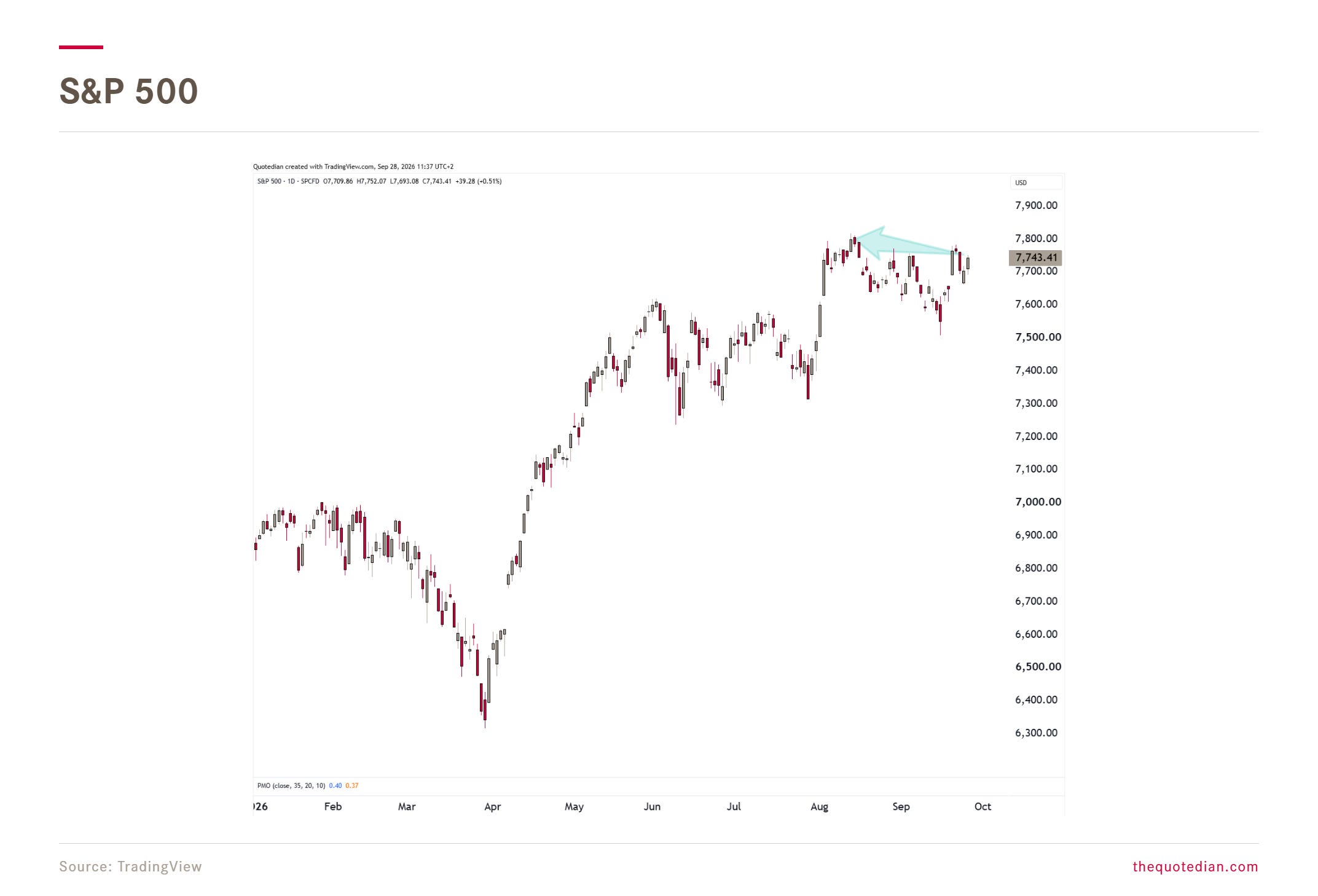
But somehow it does not feel like we are so close from a new ATH, no?
Also, as per last Friday, the same index is up over 13% year-to-date, which is solid midfield in a Globalperformance comparison:
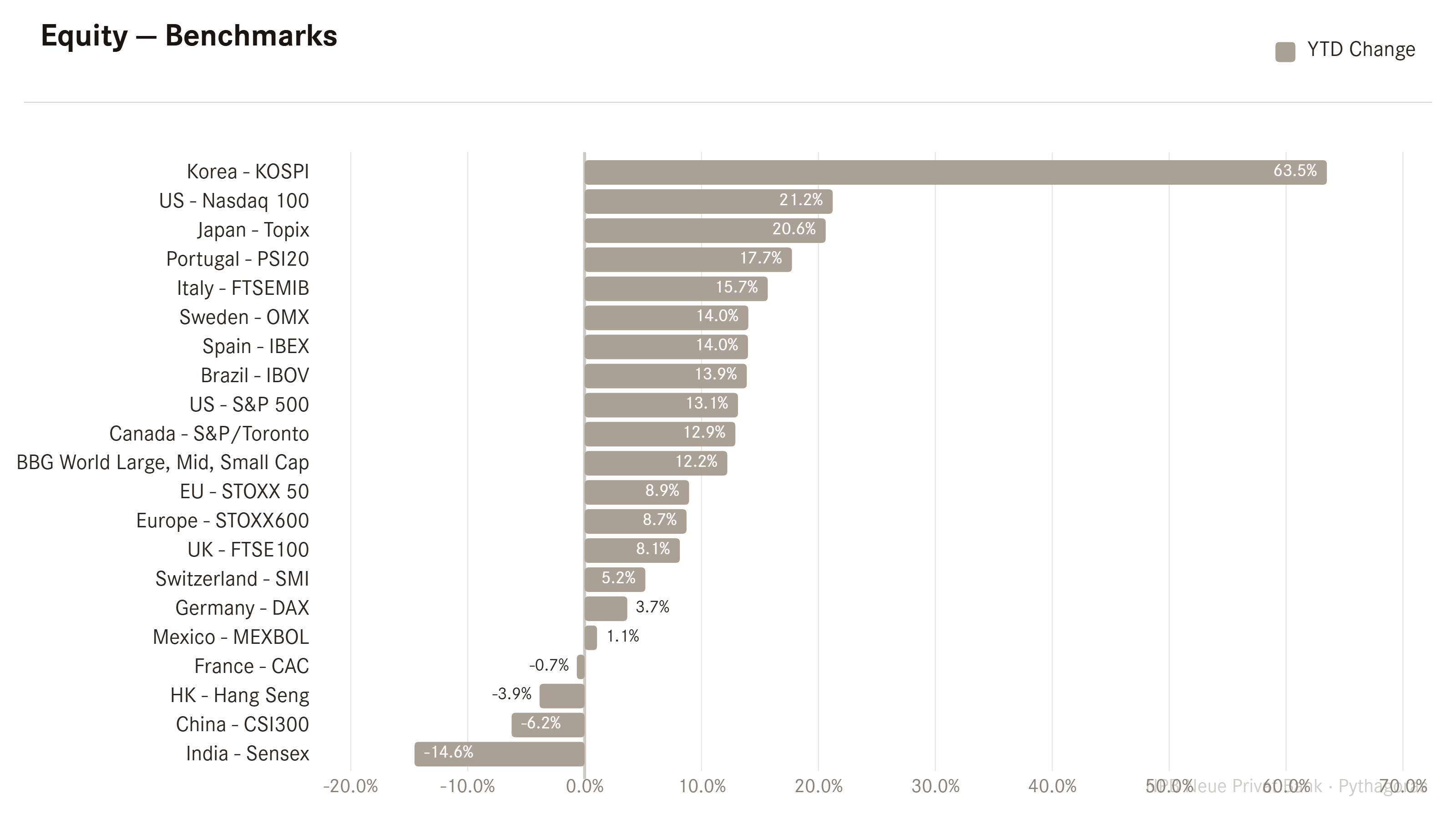
But somehow it does not feel like we are up so much this year, no?
There are many reasons for that “I am not having quite that much fun as the market stats would suggest”-feeling. Here are some:
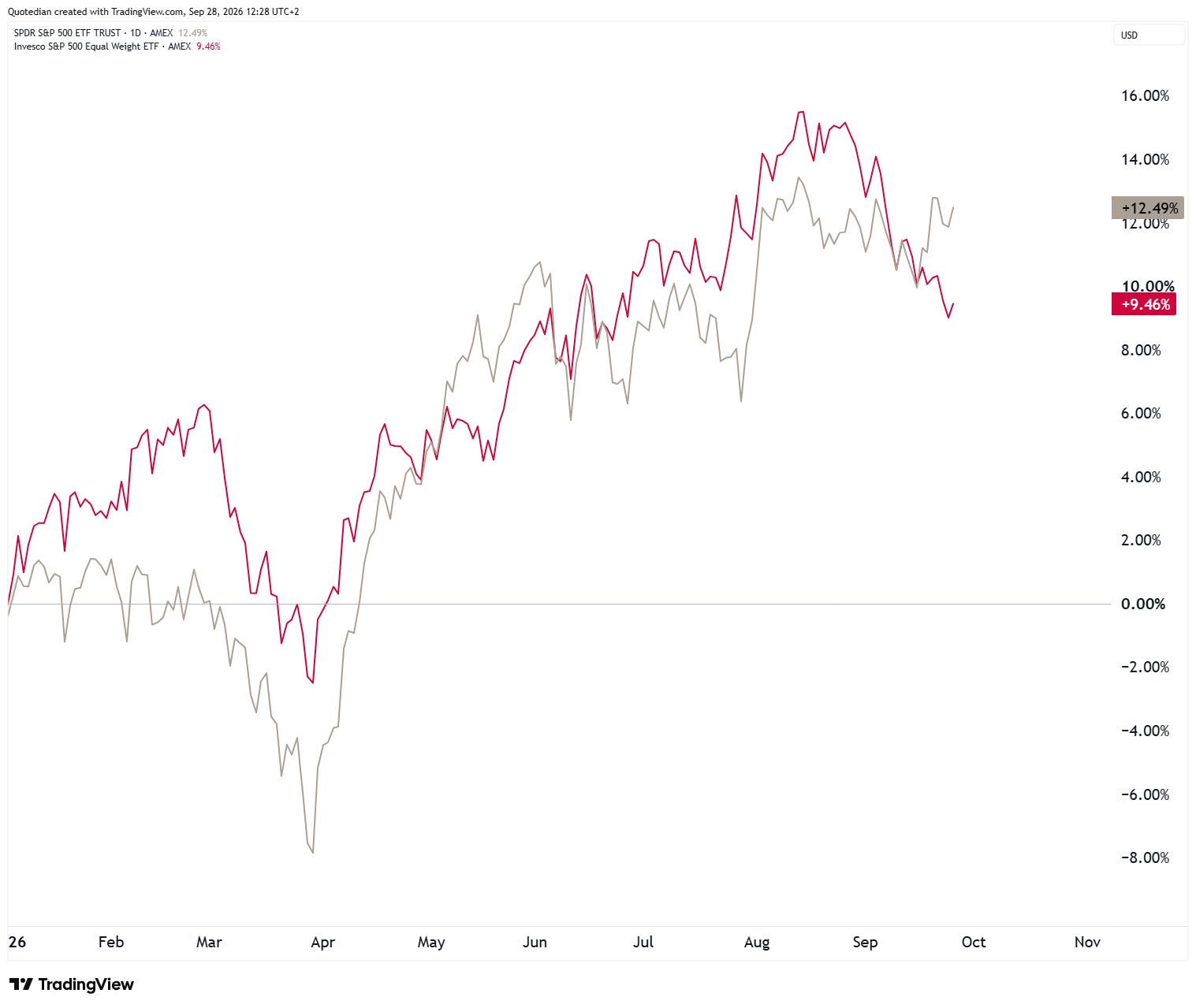
For one, the S&P 500 equal-weight index is lagging 300 basis points behind its ‘normal’ cap-weight version on a YTD comparison:
But, worse, since the market top a bit over a month ago that performance difference is close to 500 basis points:
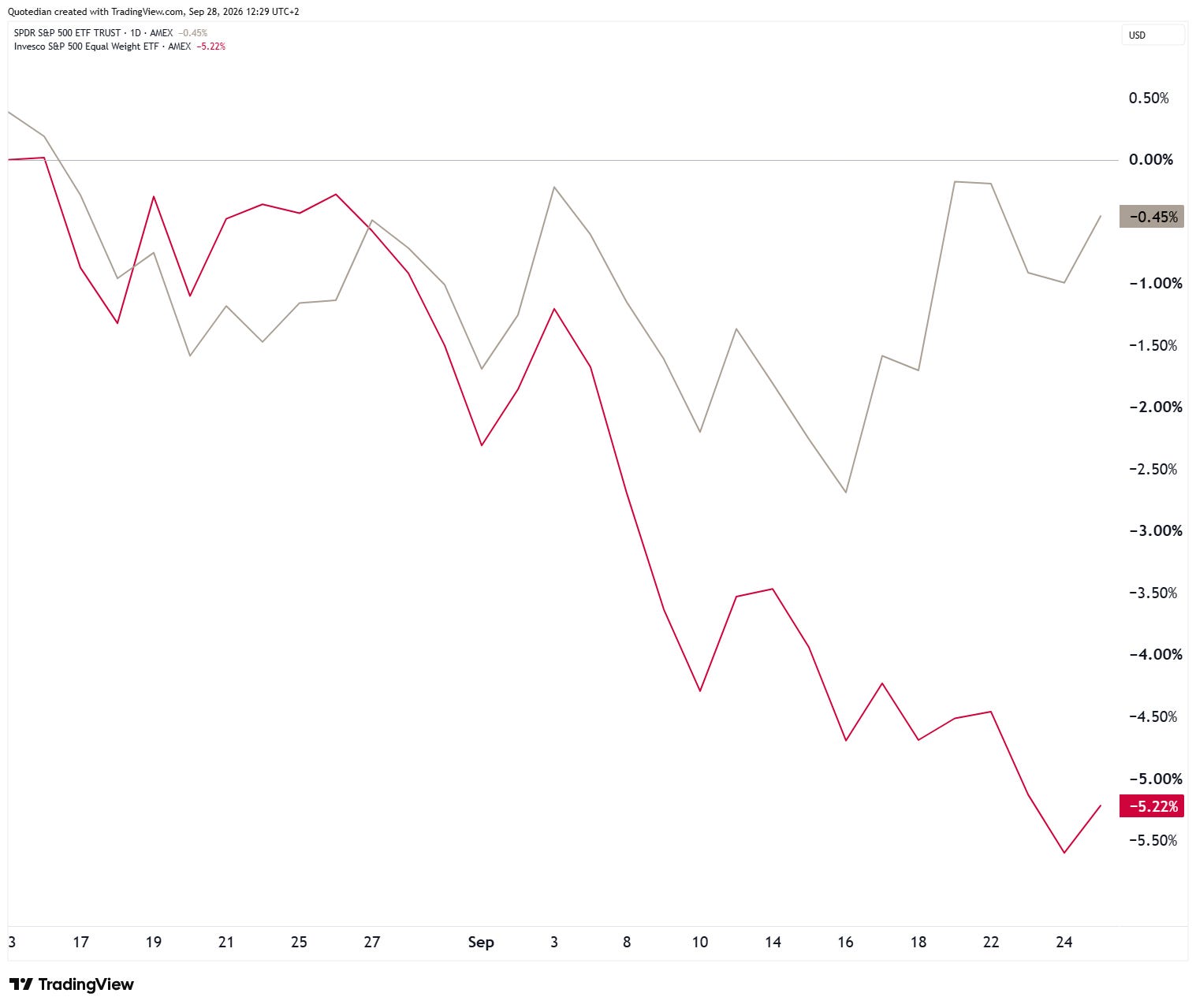
Also, since the August market top, only about 20% of the index have made price gains. The rest is printing red since then.
No wonder then, that the number of shares above their 50- and 200-day moving average (MA) has dropped to 27% and 49% respectively:
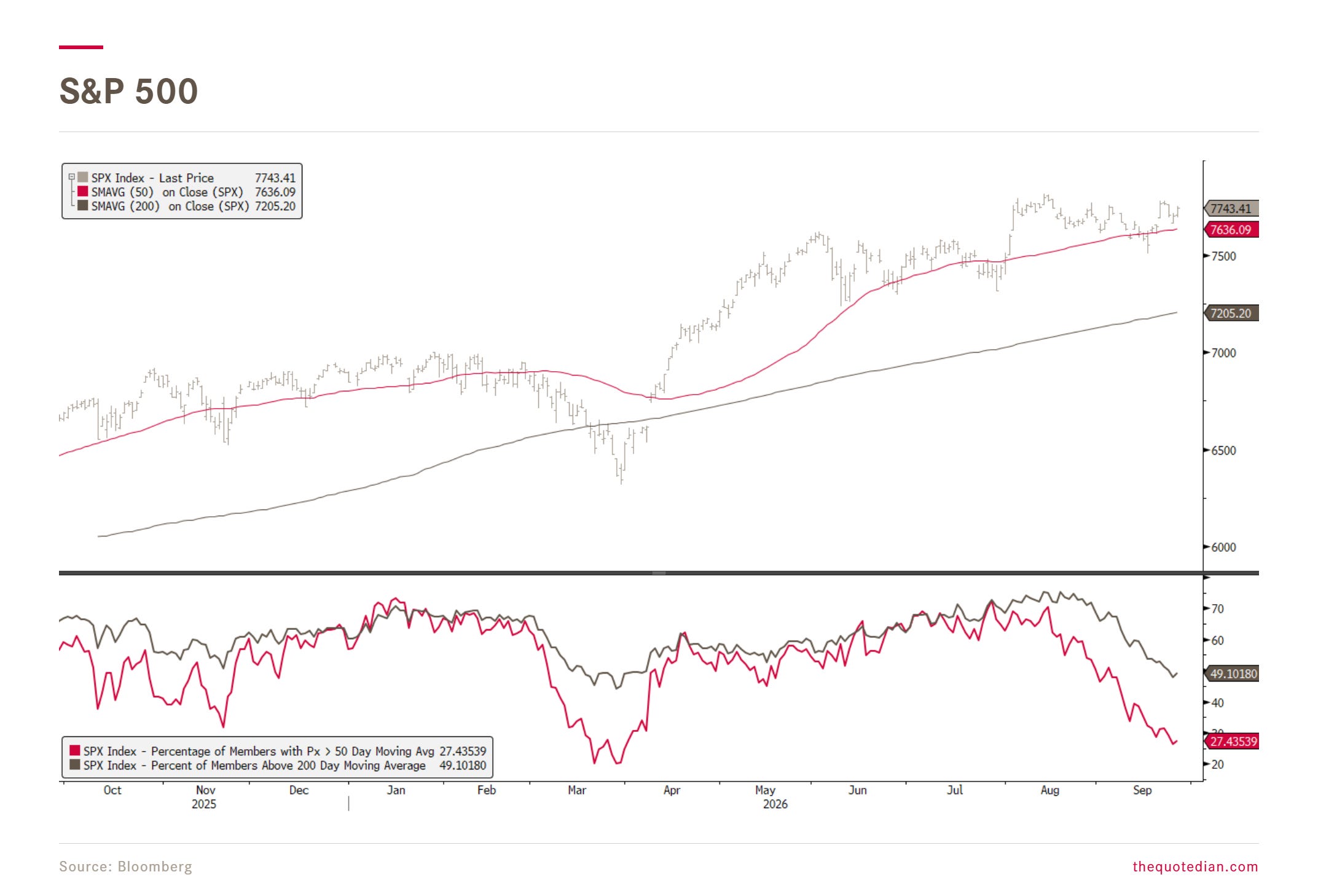
Which in turn means the cumulative advance-decline ratio of the index must look horrendous:
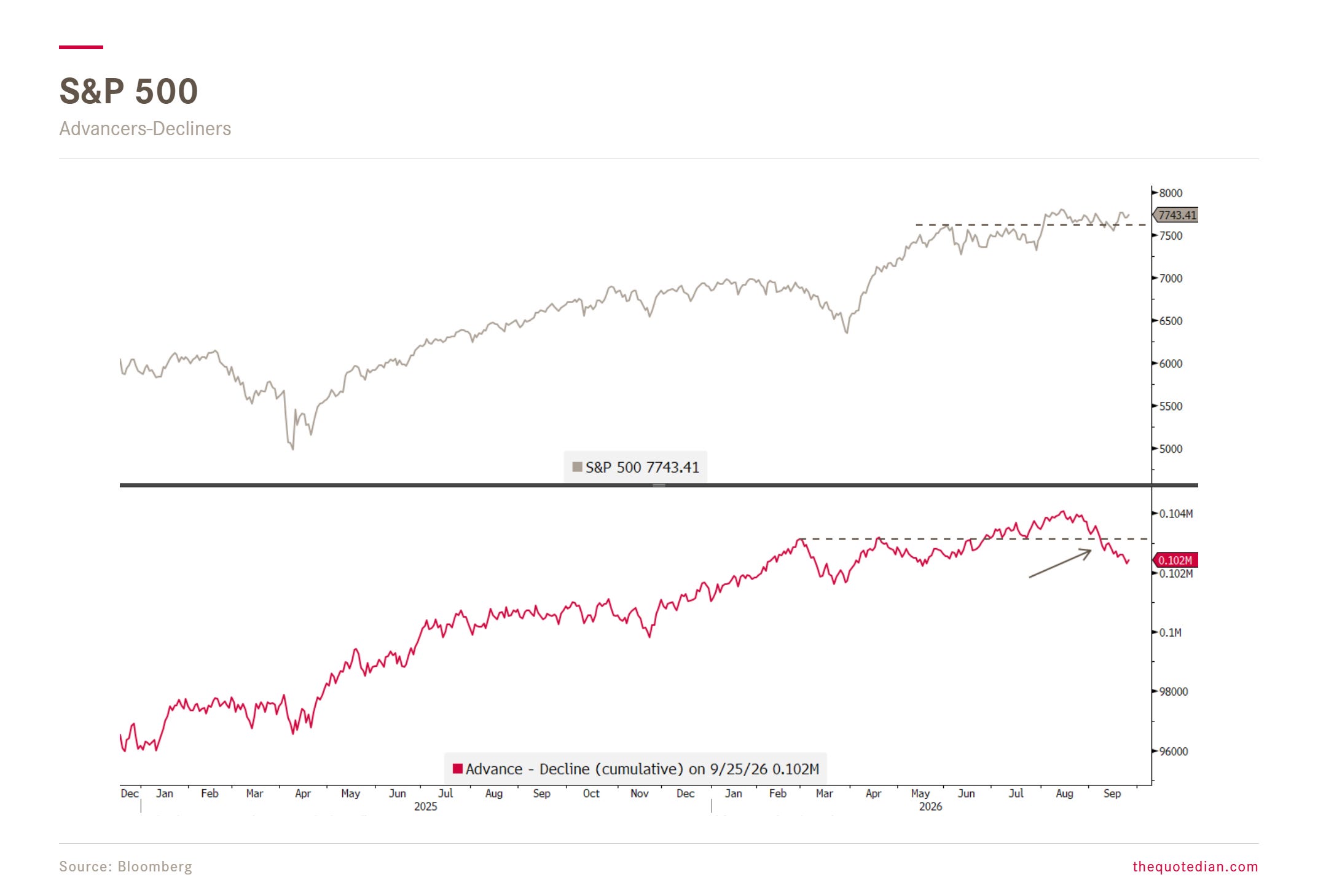
Indeed.
This must of course mean that a few stocks are doing all the heavy-lifting. Let’s check in on the usual suspects … the Magnificent 7!
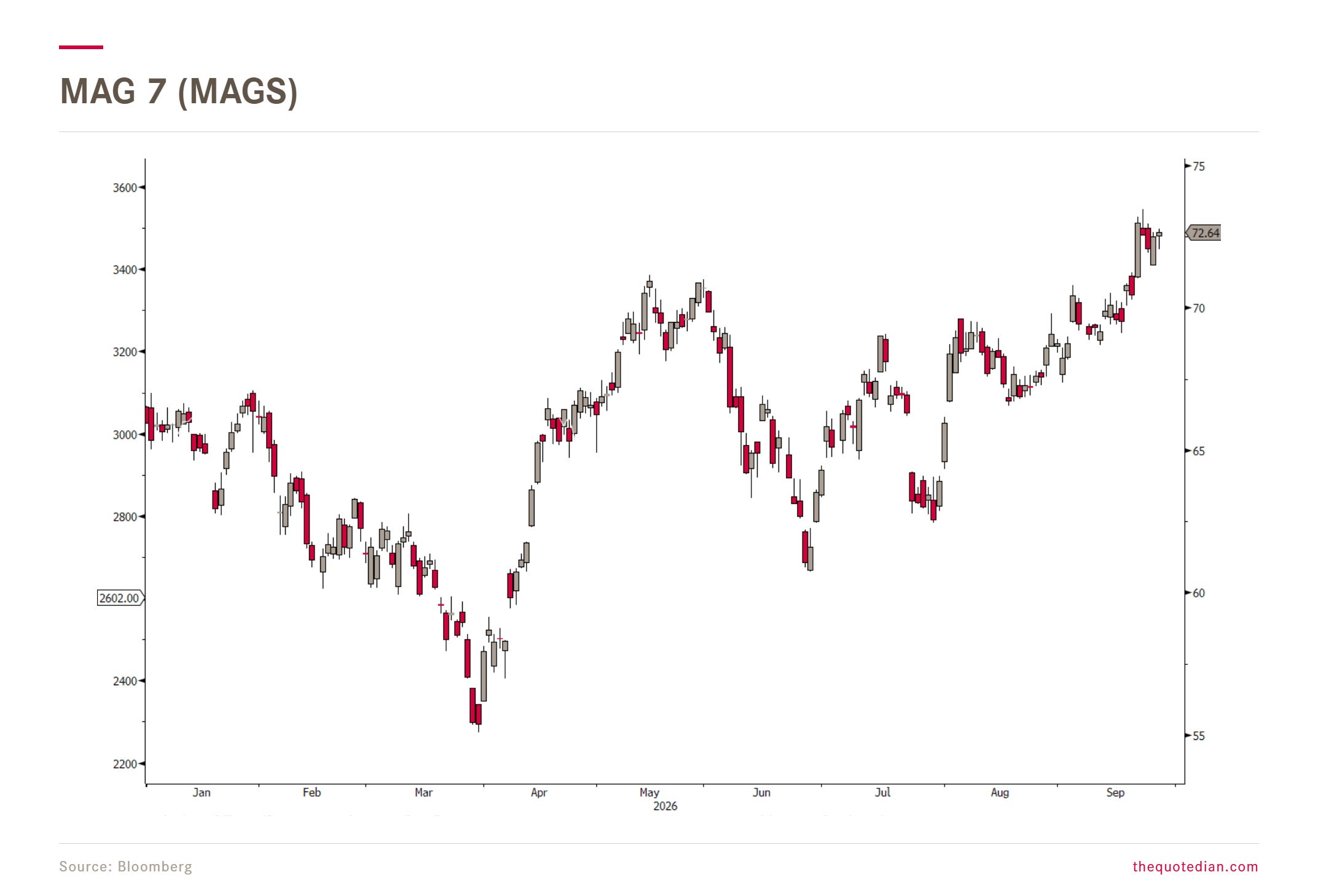
Bingo! New ATHs for the Mag 7 cohort!
So, what’s gonna happen from here then?
Either, the largest stocks are “infected” by the current virus affecting most of the market and are pulled down.
Or, the rest of the market starts playing catch-up with the advancing generals, the Mag Sevens.
I guess it is going to be the latter.
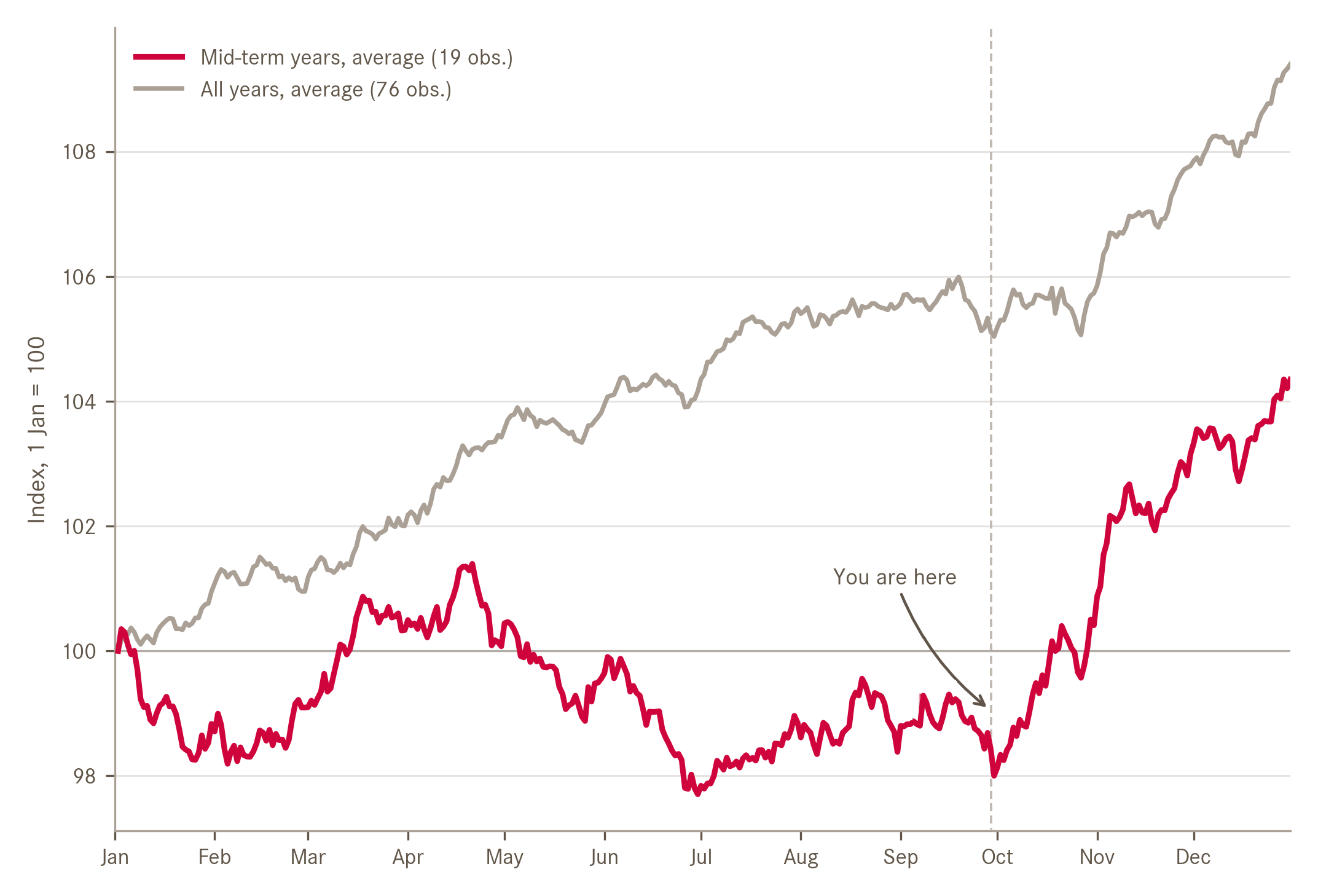
For one, seasonality is turning wildly bullish for stocks, be it midterm election year or not:
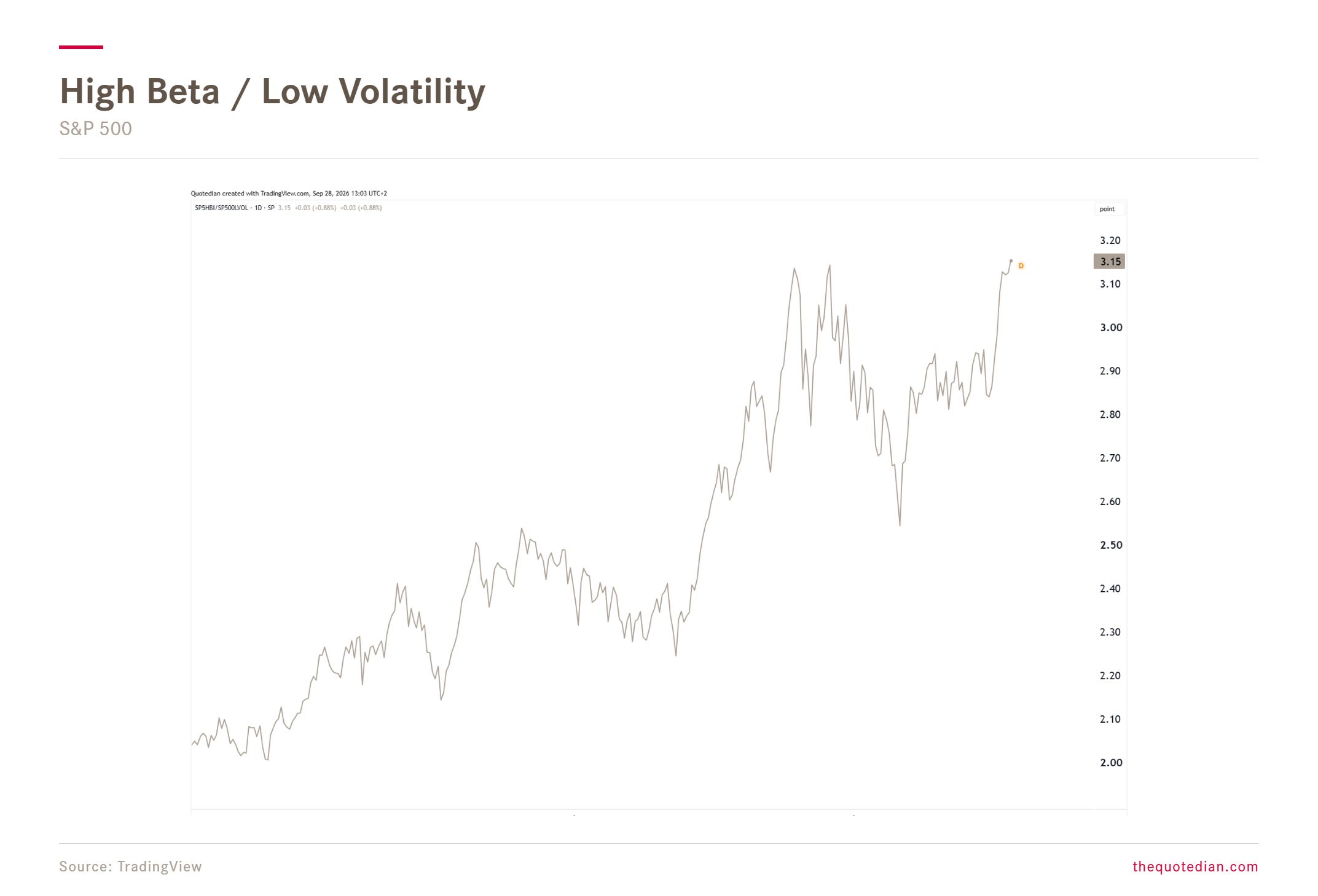
Further, the high beta factor continues to largely outperform low volatility:
And consumer discretionary stocks are not underperforming consumer staples stocks:
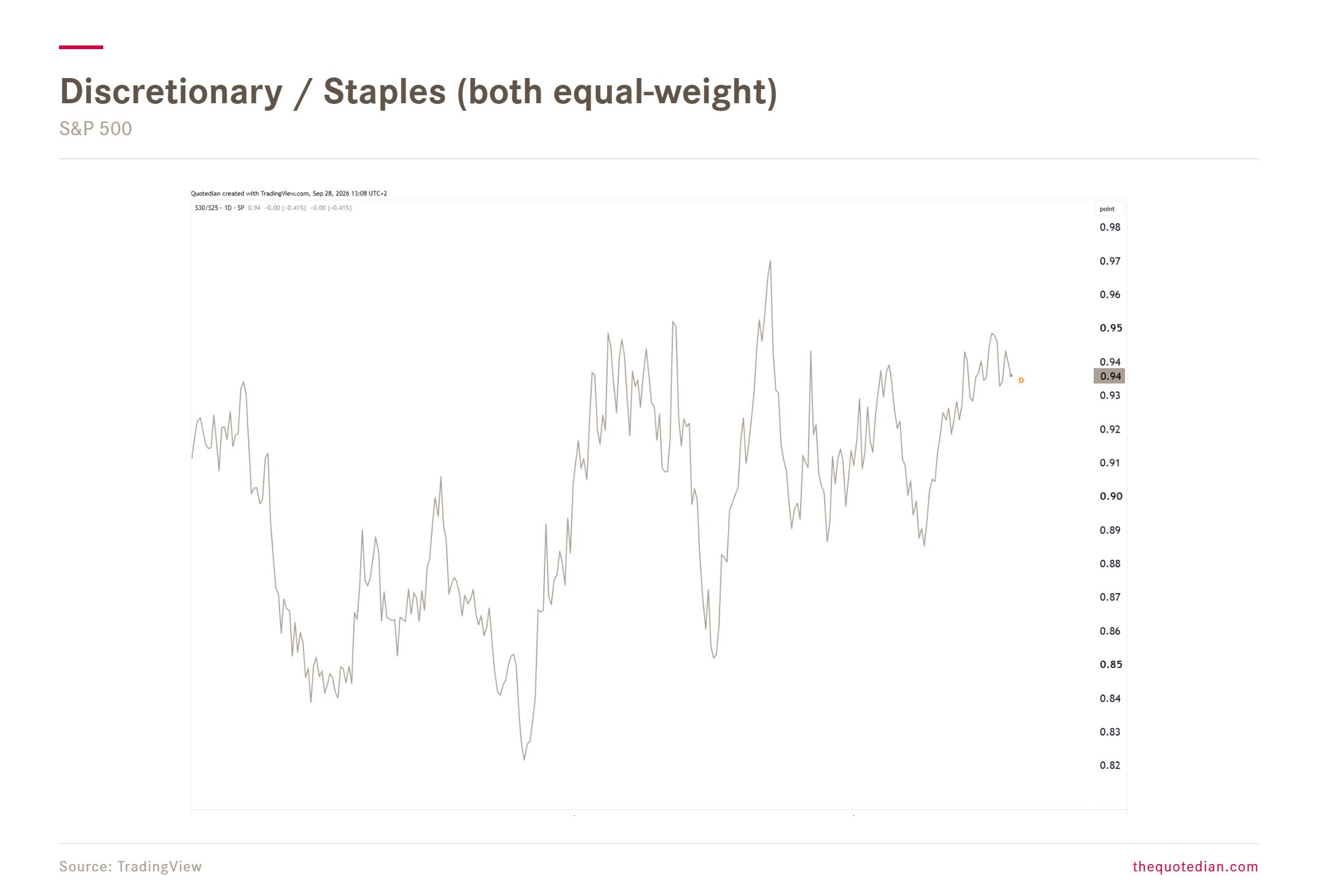
Both mean that the market is NOT positioning itself more defensive (yet).
However, what could be a stick in the (equity) wheel are interest rates:

The shift across the US Treasury yield curve has been massive this year (green is current, brown 31.12.2025).
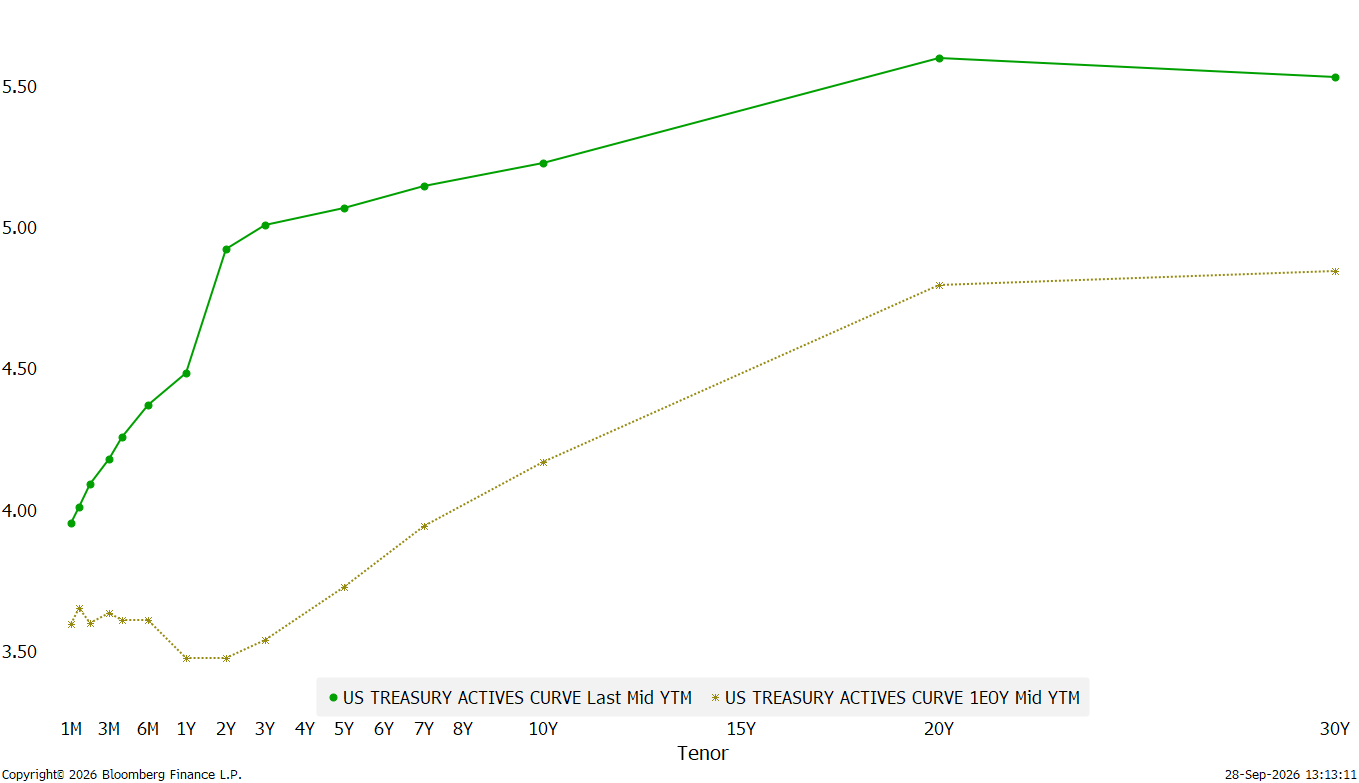
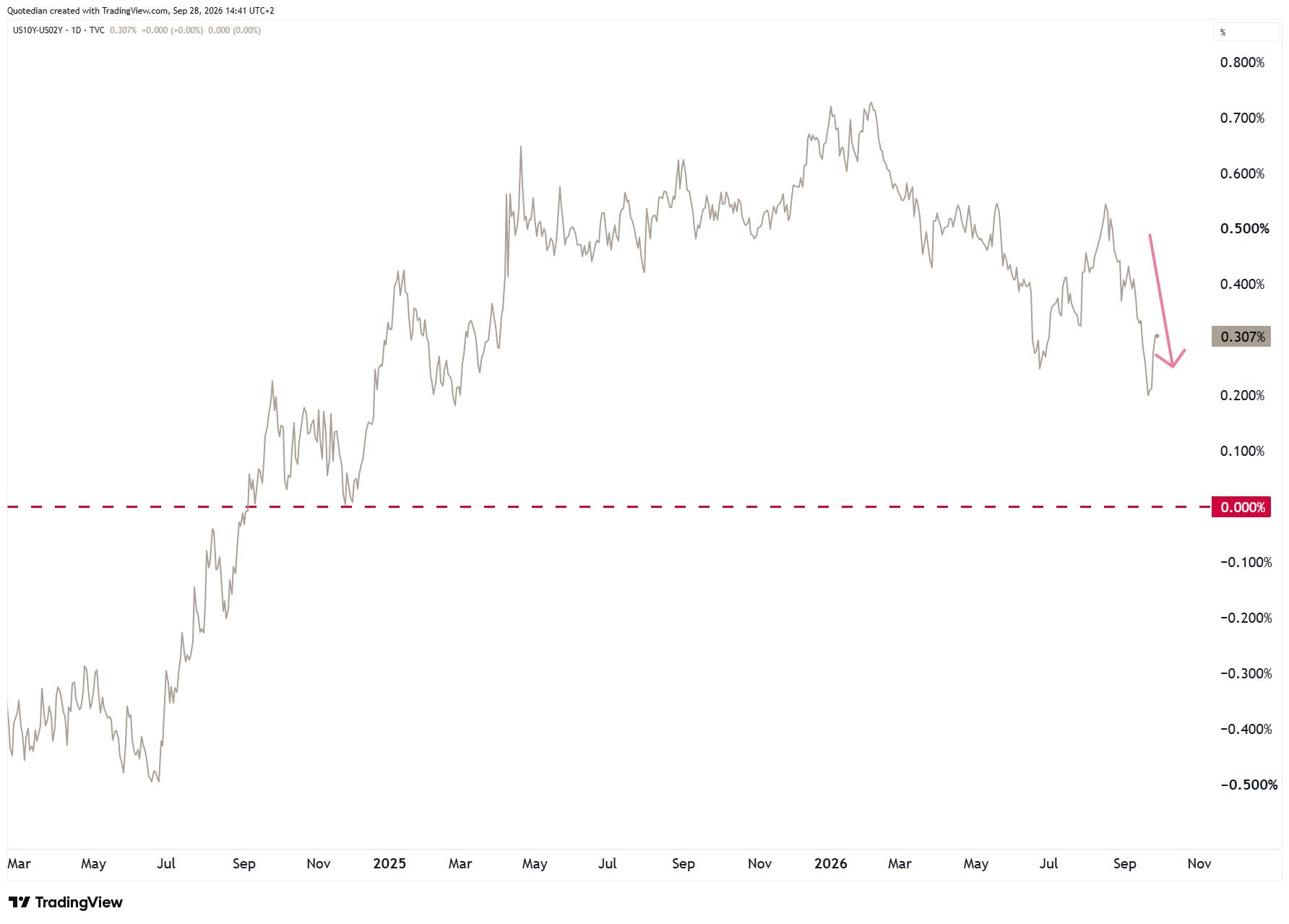
Obviously the change at the short-end has been bigger, leading to a flattening curve:
It was Rudi Dornbusch who said:
“None of the post-war expansions died of old age. They were all murdered by the Fed.”
So, will the Fed “kill” this expansion too?
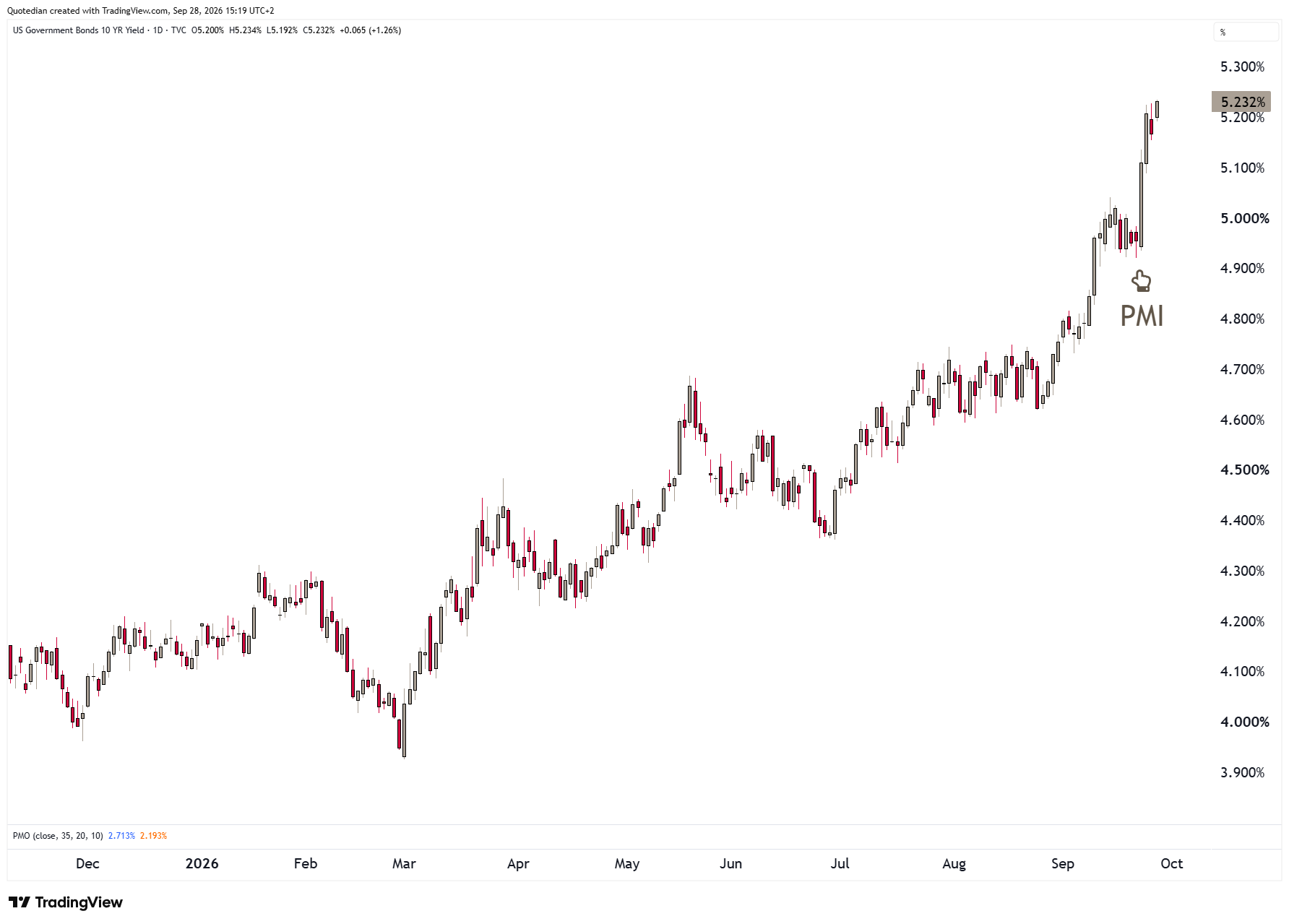
Well, first of all, the expansion seems real, with the S&P Global United States Composite PMI reading at 58.4 reported last Wednesday, pushing the 10-year to new cycle highs:
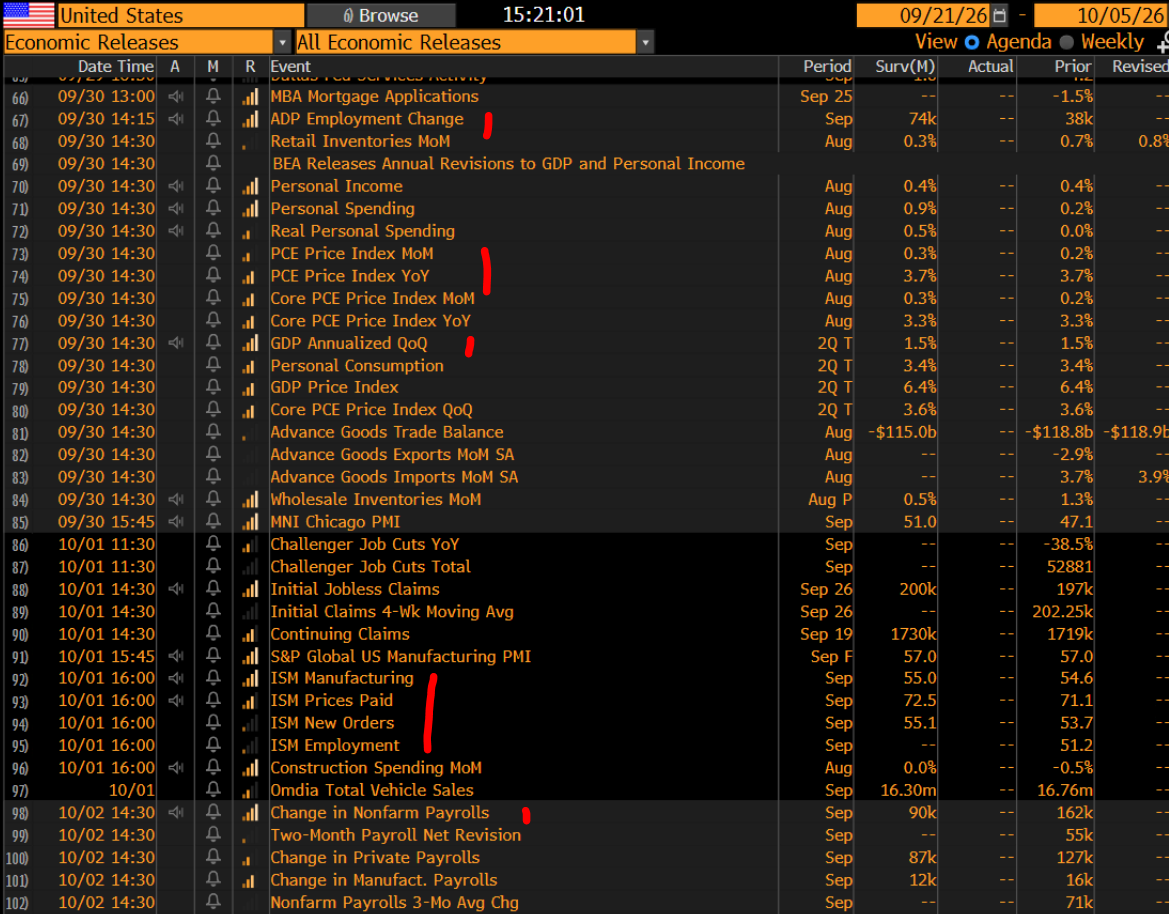
This week, starting Wednesday, we will get some very important, additional information on the state of the US economy:
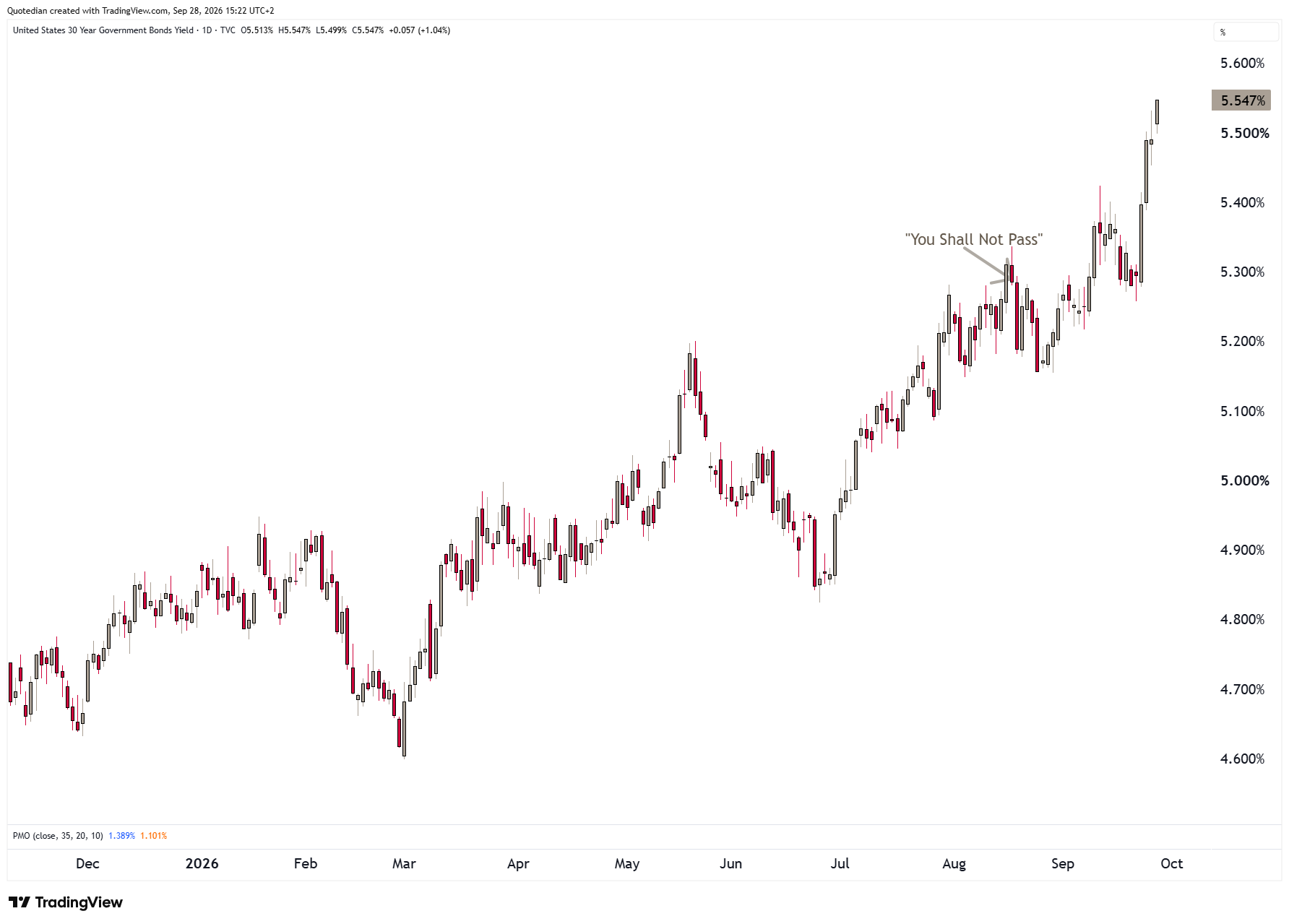
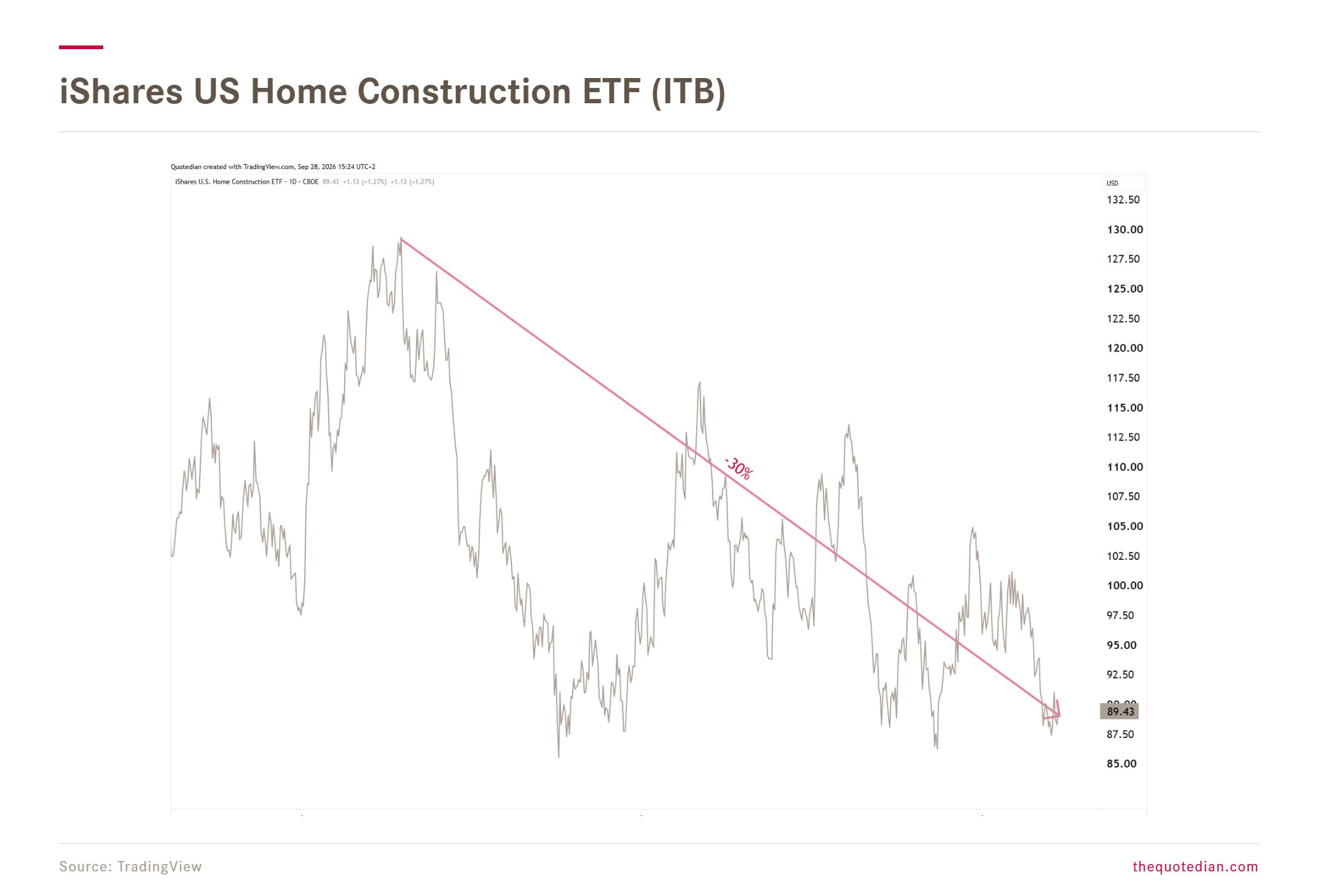
But in the meantime, with the 30-year Treasury yield north of 5.5%,
pushing the 30-year mortgage rate above 7%,
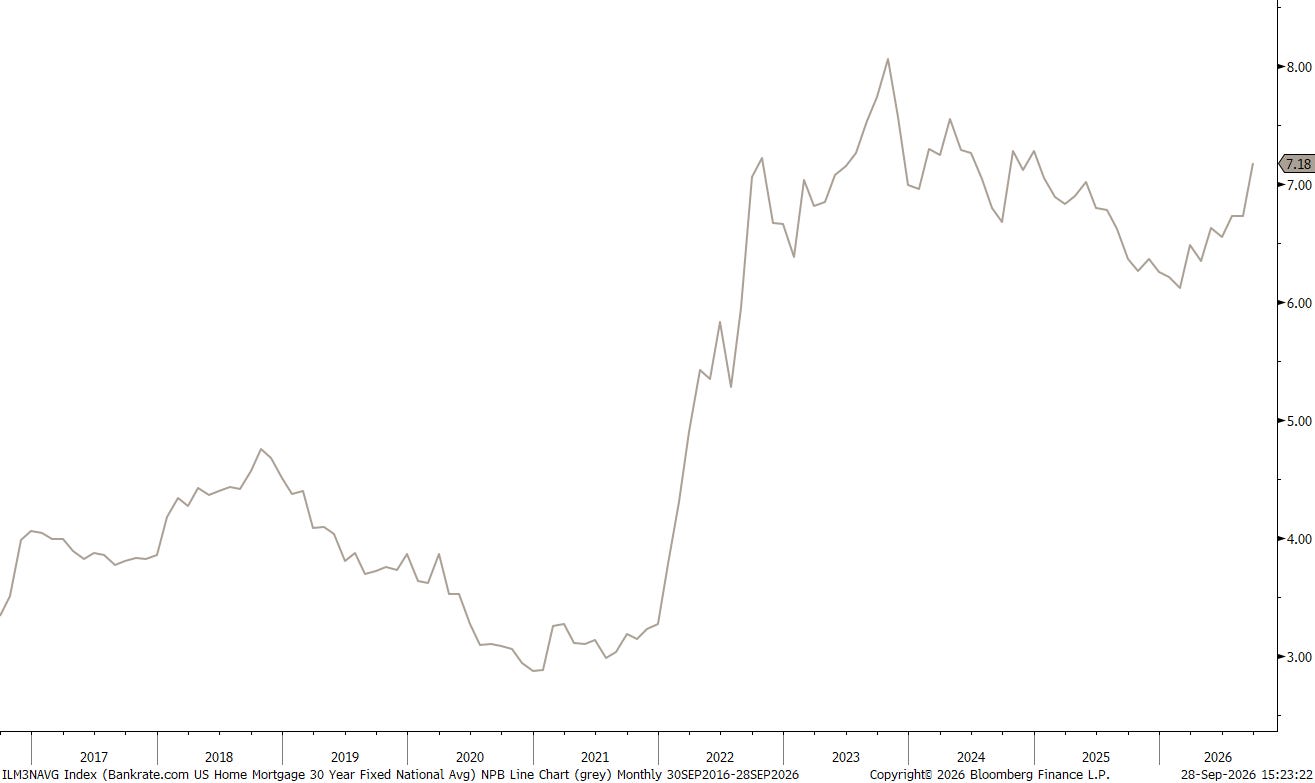
the housing market will remain under siege.
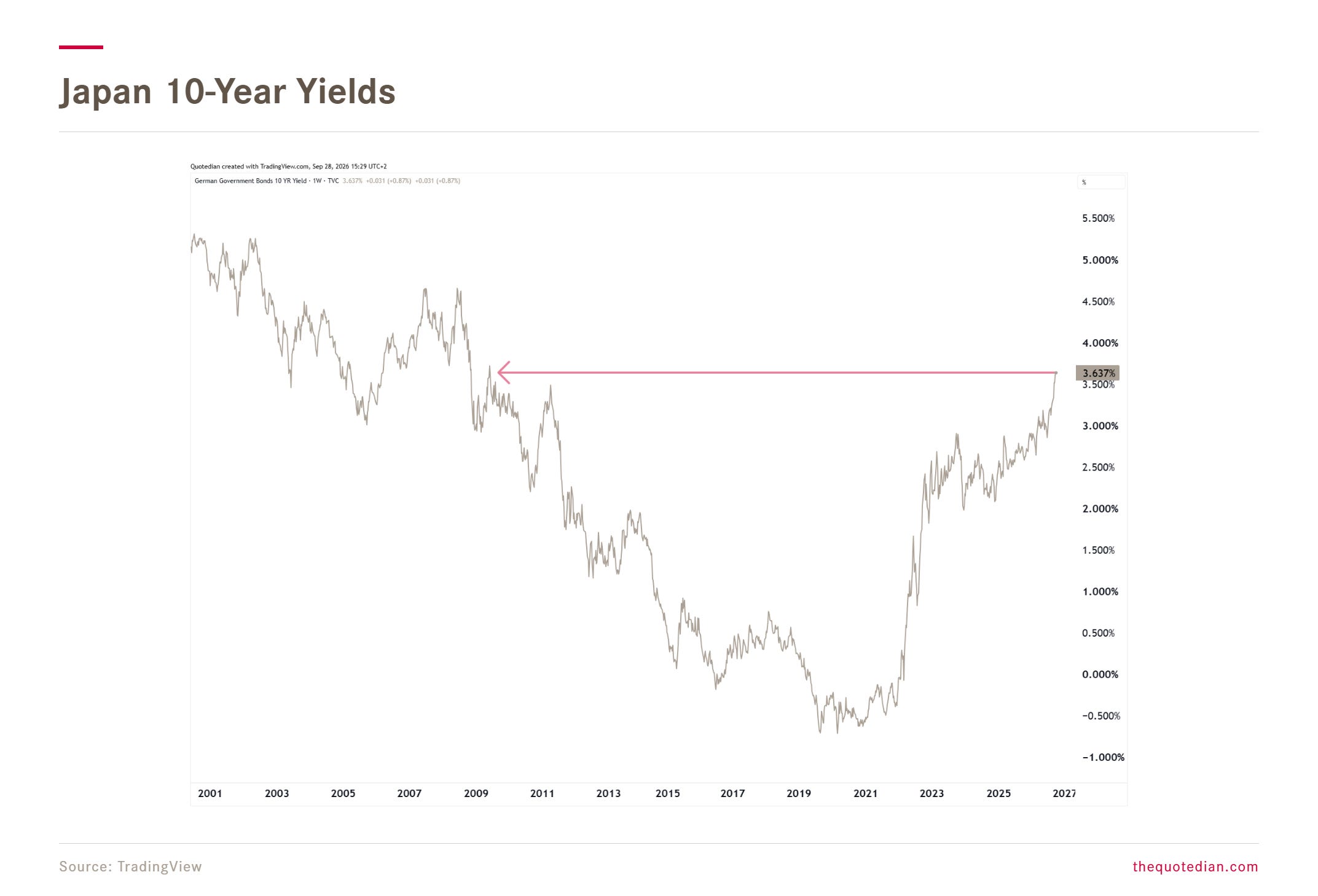
But, of course, the US is not the only country facing higher yields. Long gone are the days of negative 10-year yields in Europe (Germany as proxy),
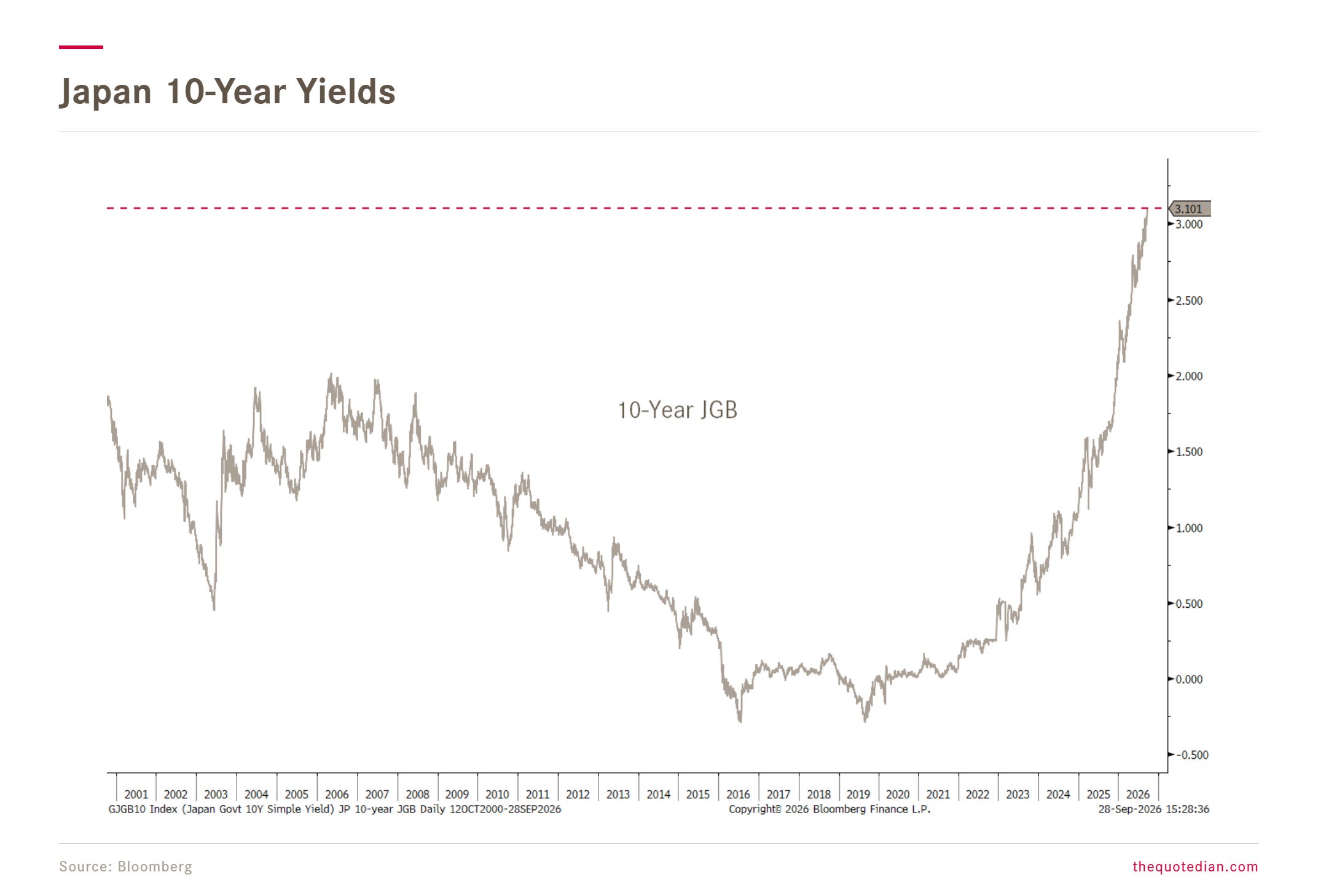
and Japan:
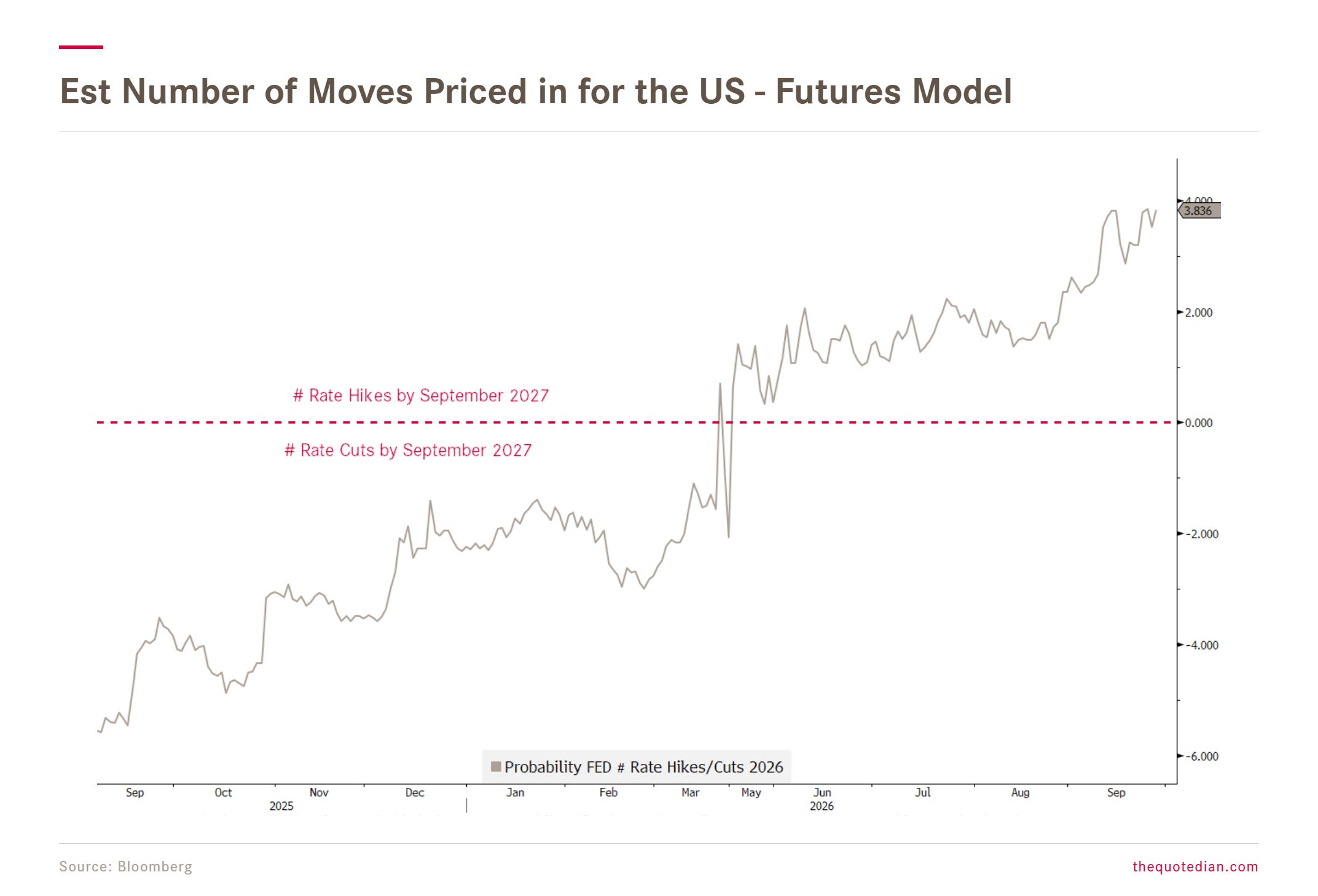
So, let me ask again: Will the Fed “kill” this expansion too?
The market, pricing in close to four hikes, i.e. Fed Fund Target rate at 5% by this time next year, thinks it is a possibility:
Given that the strongest pick-up in yields has been seen in the US over the past few days, interest rate differentials have largely worked in favour of the US Dollar:
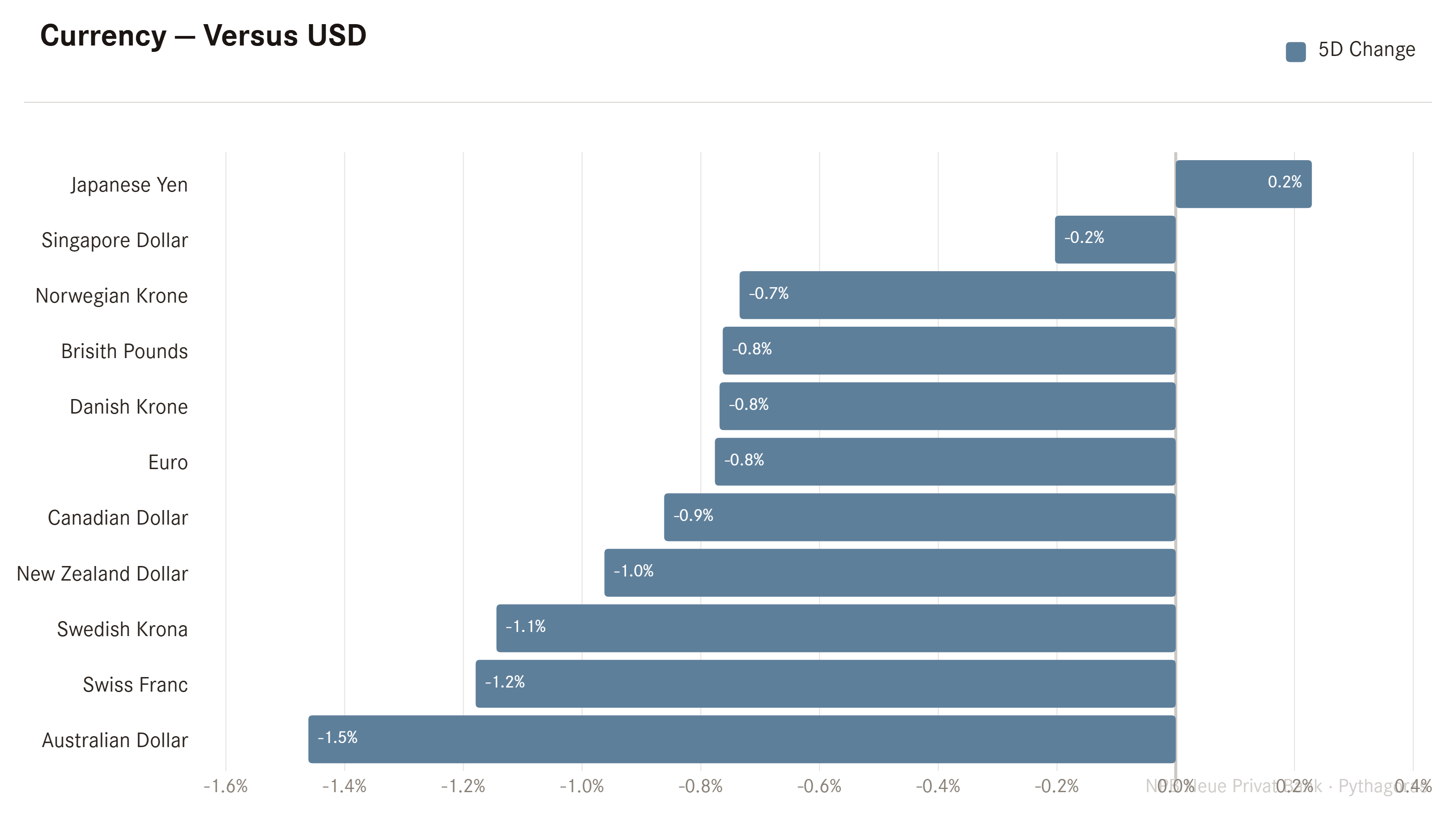
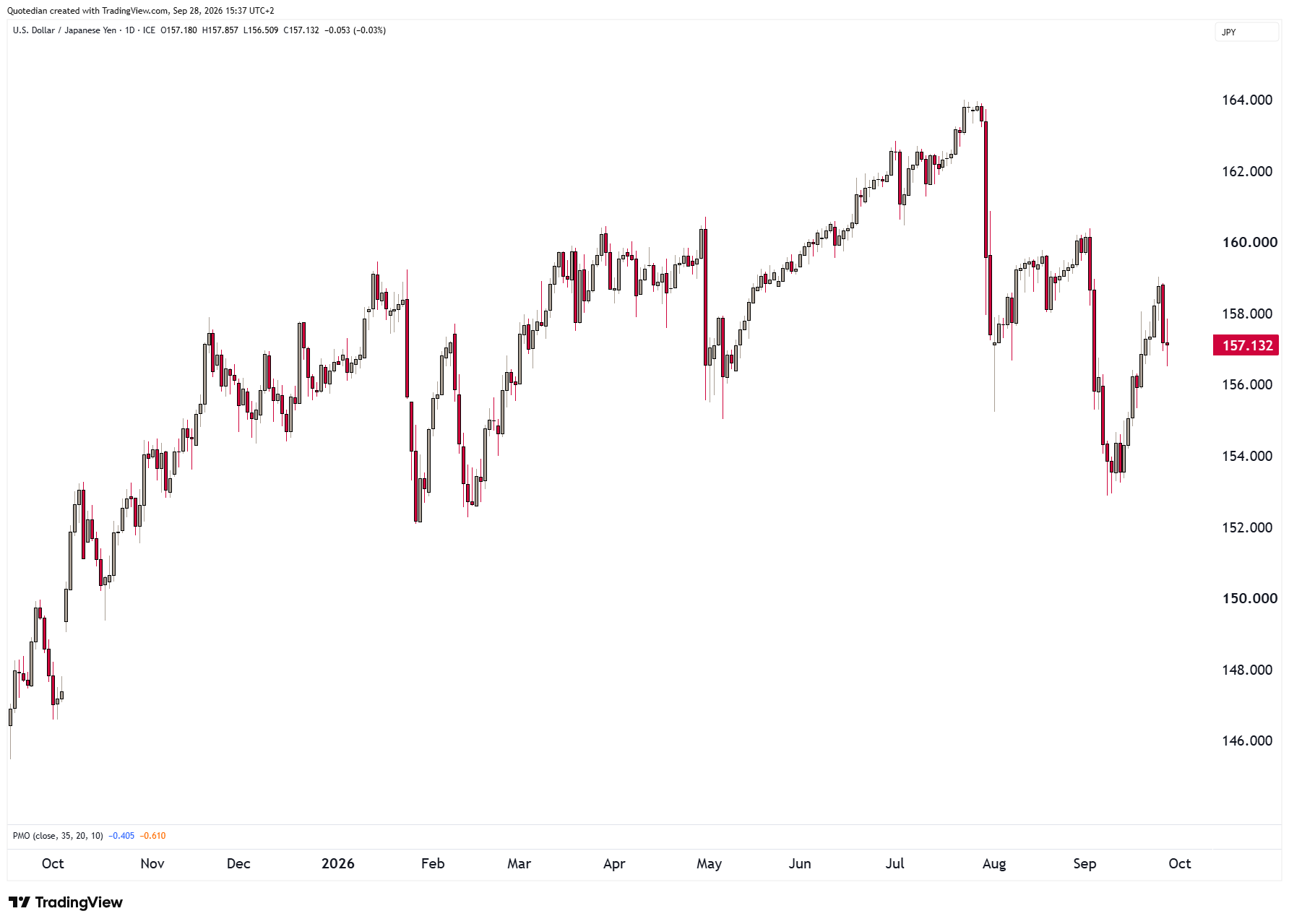
With the exception of the JPY, which has been able to show strength. However, the USD/JPY basically screams “market manipulation” (aka currency intervention) at any observer:
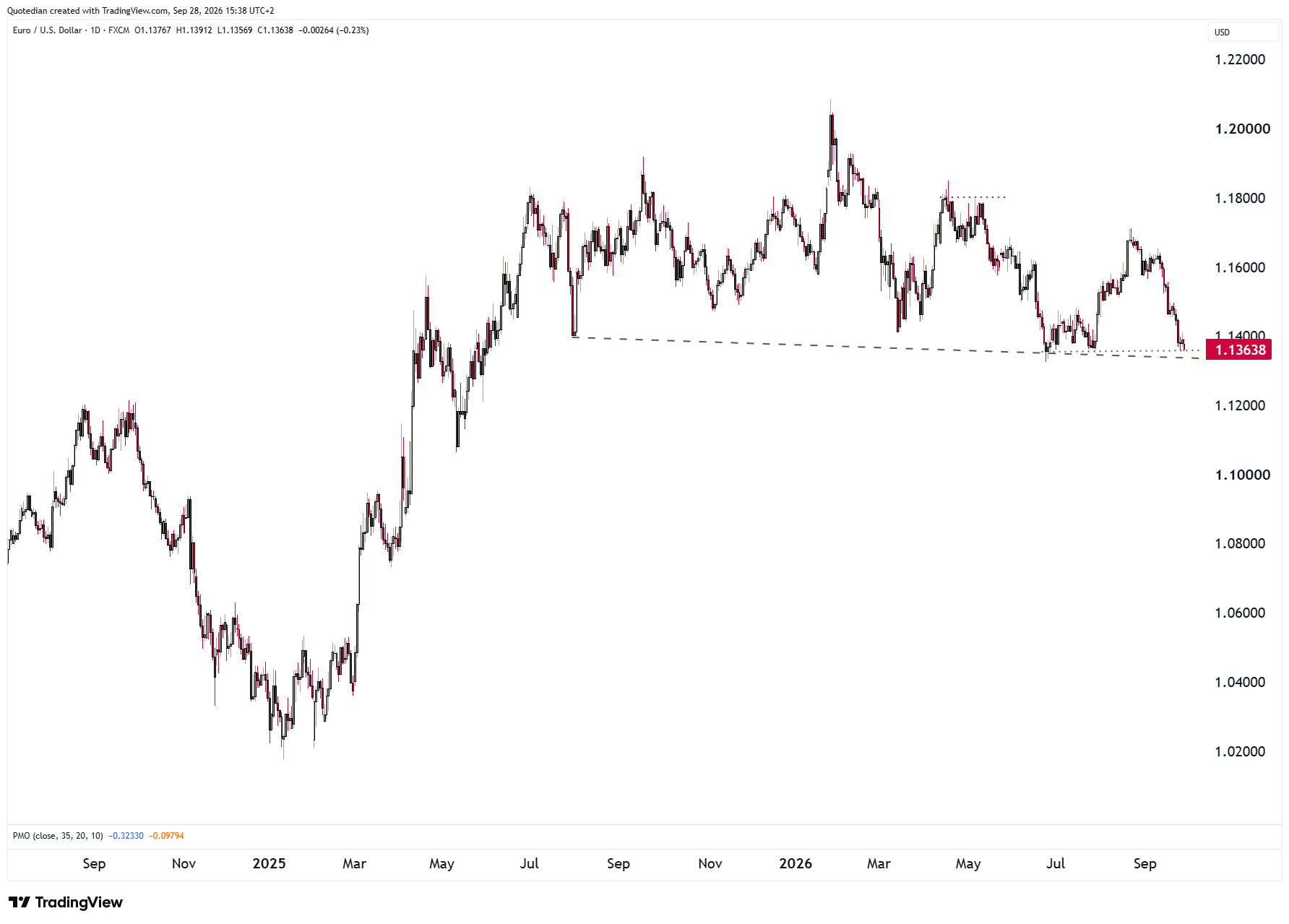
The EUR/USD is close to key support and a decisive break below 1.1340 will make it difficult for us to maintain the USD-bearish view, at least on a short- to medium-term basis:
Bitcoin however, has largely been able to hold its ground versus a strengthening USD:
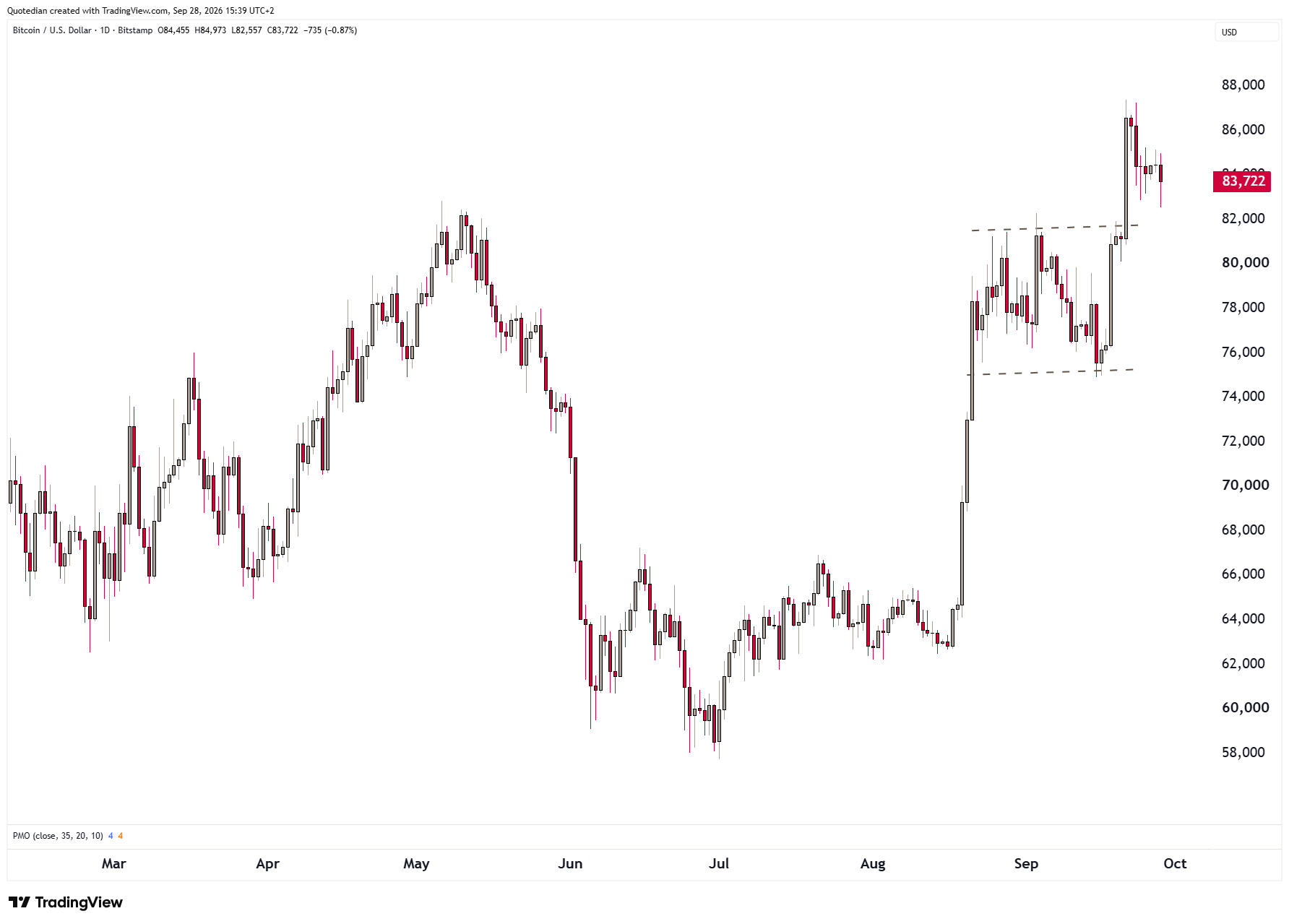
The next move higher could be imminent.
Gold however, has not shown that same resilience and the price has broken the neckline-support of our mini shoulder-head-shoulder formation:
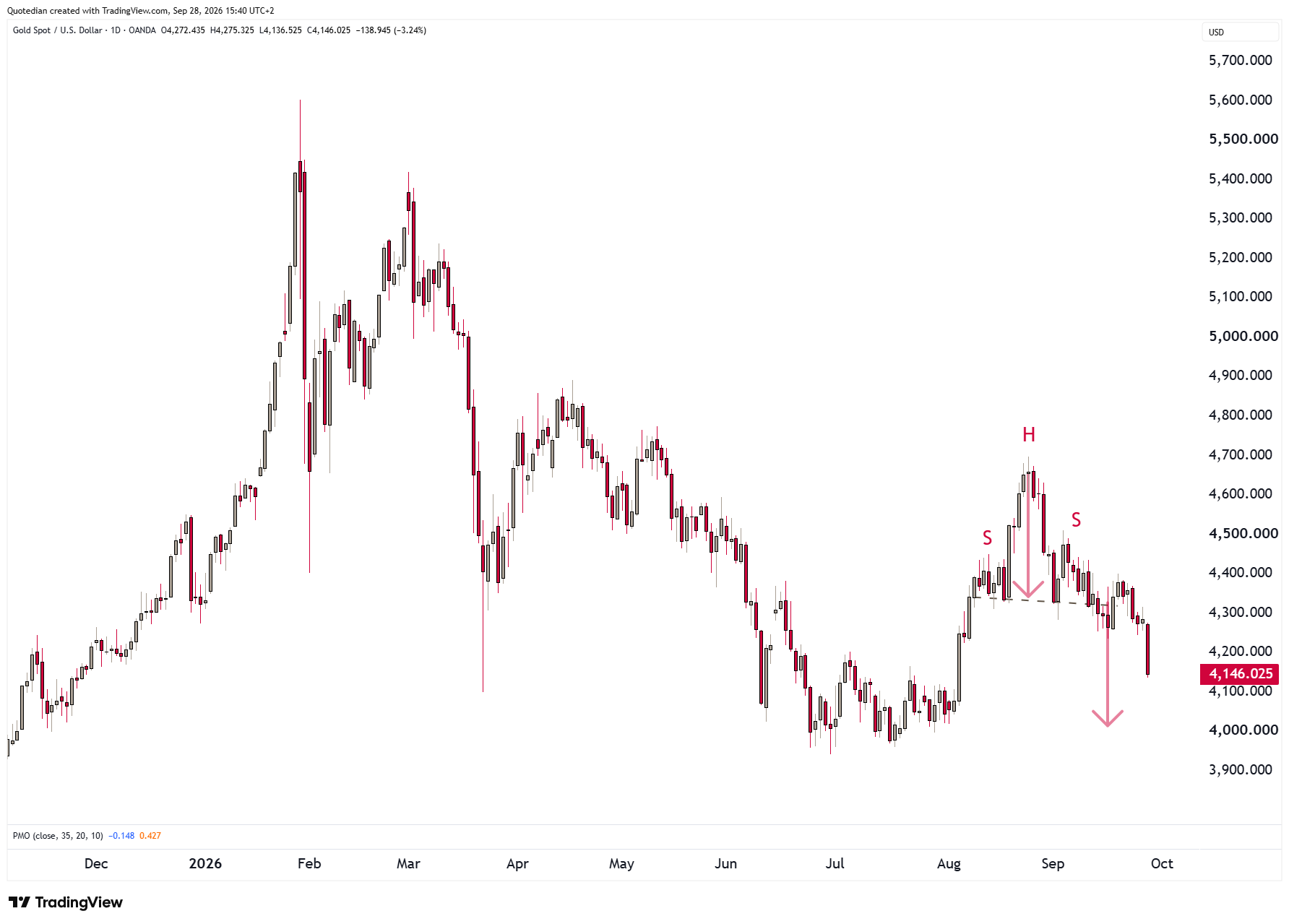
A pull-back to $4,000 is now the most likely outcome.

Equity markets are frothier under the hood than what can be observed from the outside. However, there is a fair chance that the generals (Mag 7) will soon be joined by the soldiers (rest of the market). Only further strongly advancing interest rates could spoil the party.
So, is the bear observing a mean, dark grizzly or just your friendly neighbourhood Winnie the Pooh checking in on you?
May the Trend be with You!
André

Everything in this document is for educational purposes only (FEPO)
Nothing in this document should be considered investment advice
Investing real money can be costly; don’t do stupid shit
Leave politics at the door—markets don’t care.
Past performance is hopefully no indication of future performance
The views expressed in this document may differ from the views published by NPB Neue Privat Bank AG